Industrial materials made to order.
We have been machining fluoropolymers, rubber, urethane, silicone and engineering plastics since 1982. Send us a drawing, or just your operating conditions, and we take it from material selection through forming and sintering, machining, bonding and lamination, to inspection.
How we make it
Five steps, from choosing the material to final inspection. What gets decided at each one is set out below.
-
STEP 01
MaterialSelection
We take your load, service temperature, mating surface and chemical environment, then choose between the PTFE and rubber families. Filler is decided on wear and thermal behaviour.
-
STEP 02
Forming& sintering
PTFE is formed and then sintered to settle its structure; rubber and urethane are vulcanised. Precision parts are moulded directly on the injection line.
-
STEP 03
Machining& finishing
Cut and drilled to the dimensions on the drawing. Surface features such as dimples are machined at this stage too.
-
STEP 04
Bonding& lamination
Steel, rubber and low-friction layers are physically bonded into a composite. This is the step that makes a sliding plate or a bearing pad what it is.
-
STEP 05
Inspection& dispatch
Dimensions and bond condition are checked before the part ships.
What we make
Fourteen product lines. Every one of them can be built to drawing, and the make-up changes with dimensions, shape and the mating surface. If what you need is not here, ask us.
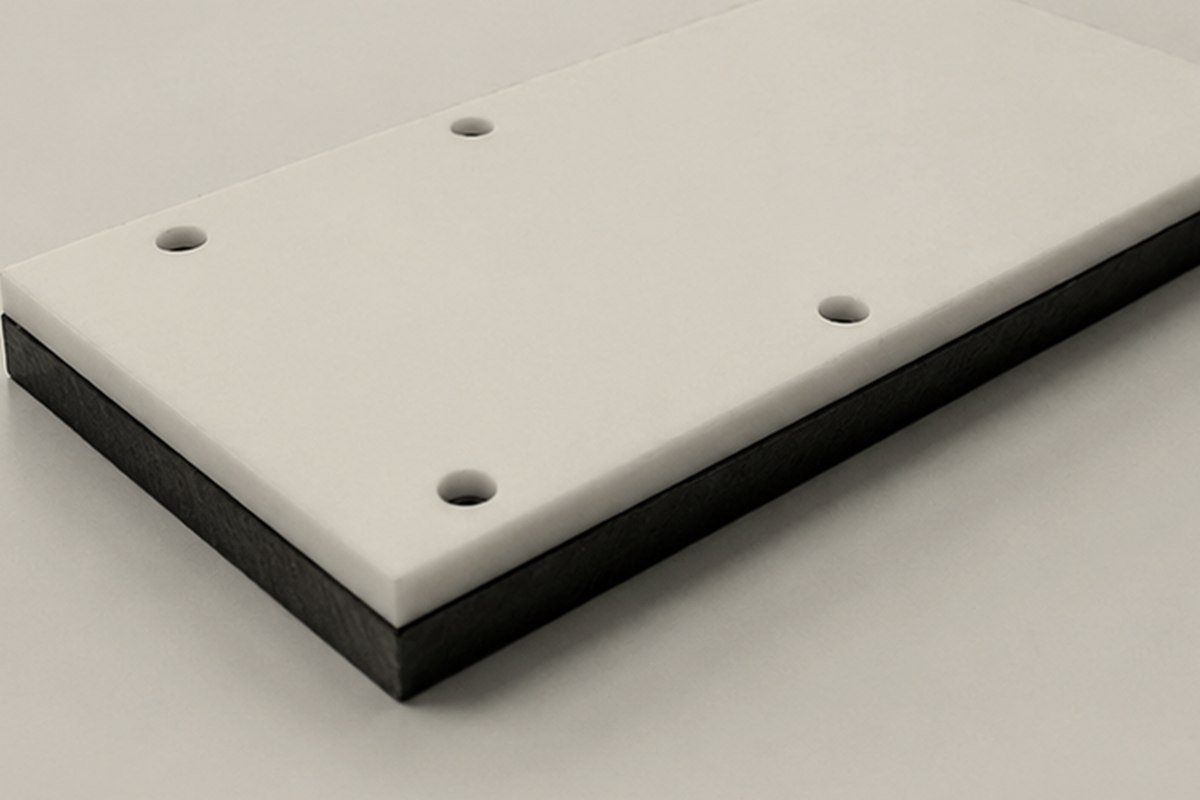 001 · LEAD
PTFE · GRAPHITE · STEEL
Sliding Plate001
A composite plate with a low-friction layer — PTFE or graphite-filled PTFE — bonded onto a support such as steel. It cuts the resistance when a heavy object has to be pushed horizontally. This is the line we are known for.
See the drawing 002RUBBER · STEEL
Sliding Bearing Pad002
Rubber, steel and a lubricating face stacked in alternating layers, protecting the structure from vertical and horizontal movement under heavy load.
See the drawing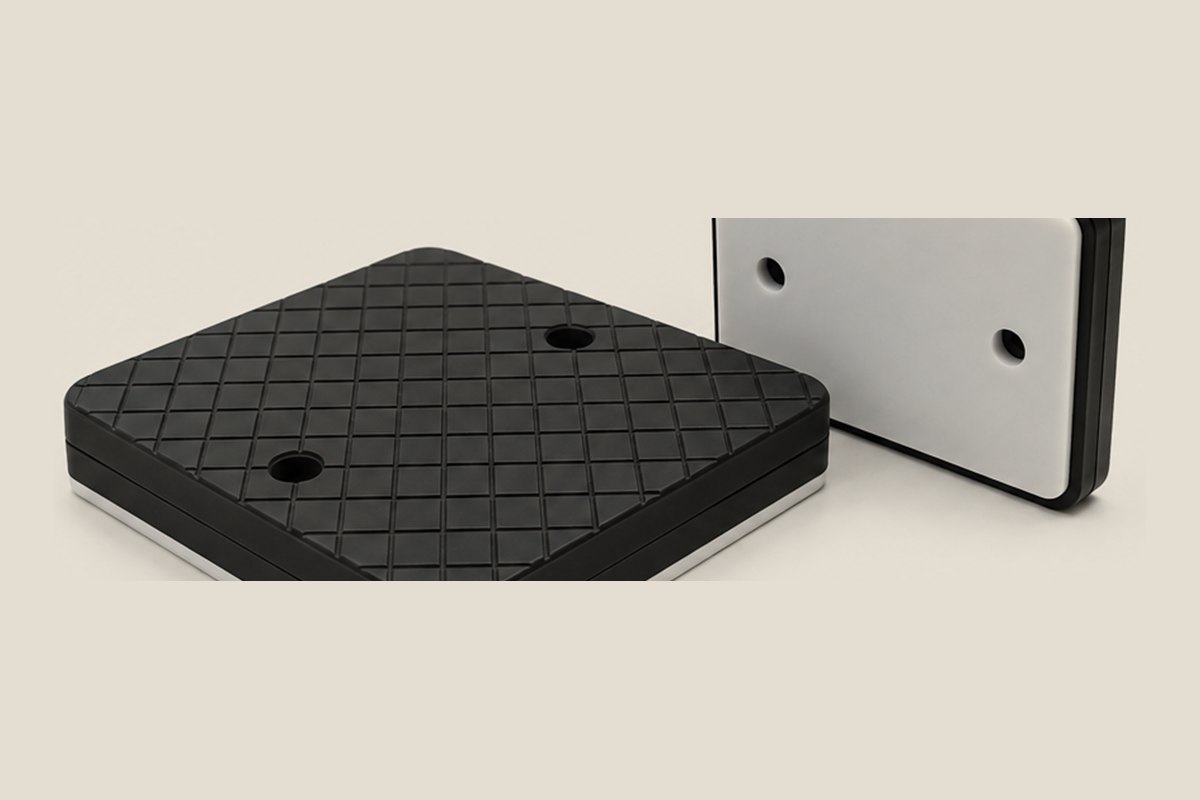 003CUSTOM
Structure Transport Pad003
Lubricating pads made and bonded to your drawing, cutting the damage done while a large structure is moved.
See the drawing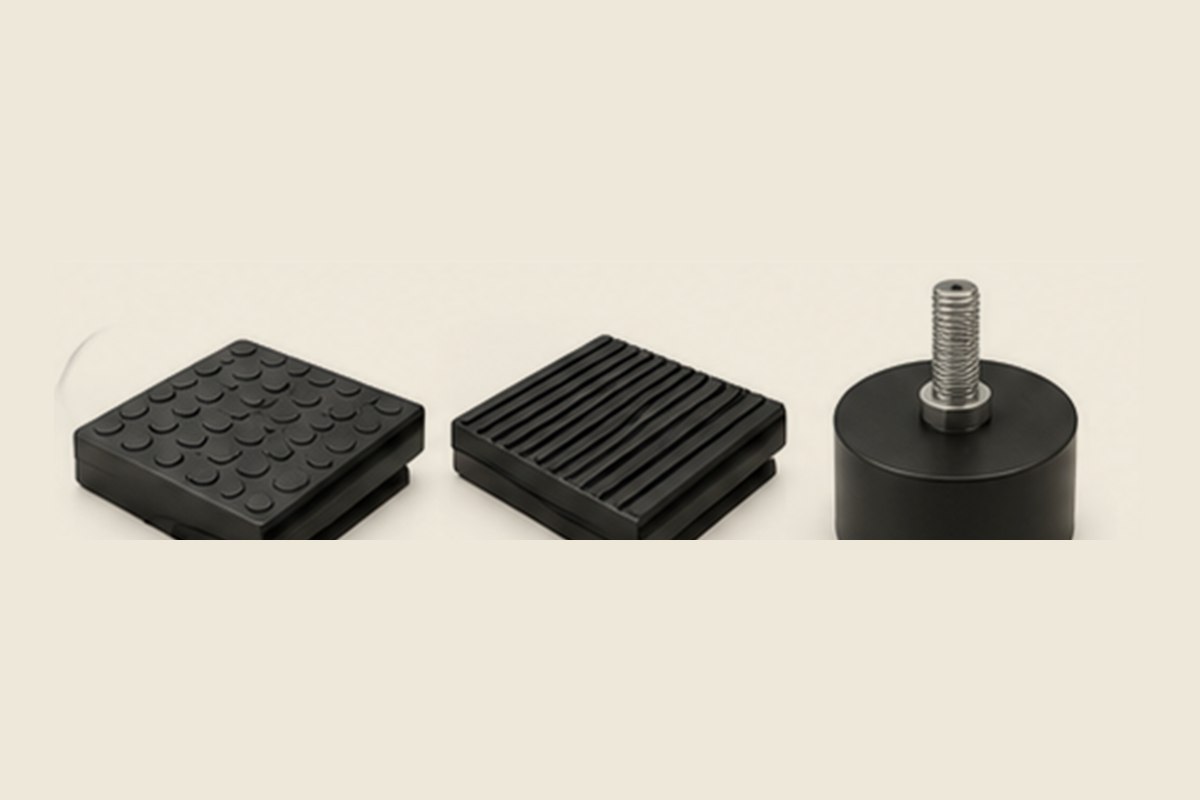 004RUBBER
Rubber Products004
Industrial parts in rubber: vibration dampers, seal rings and gaskets.
See the drawing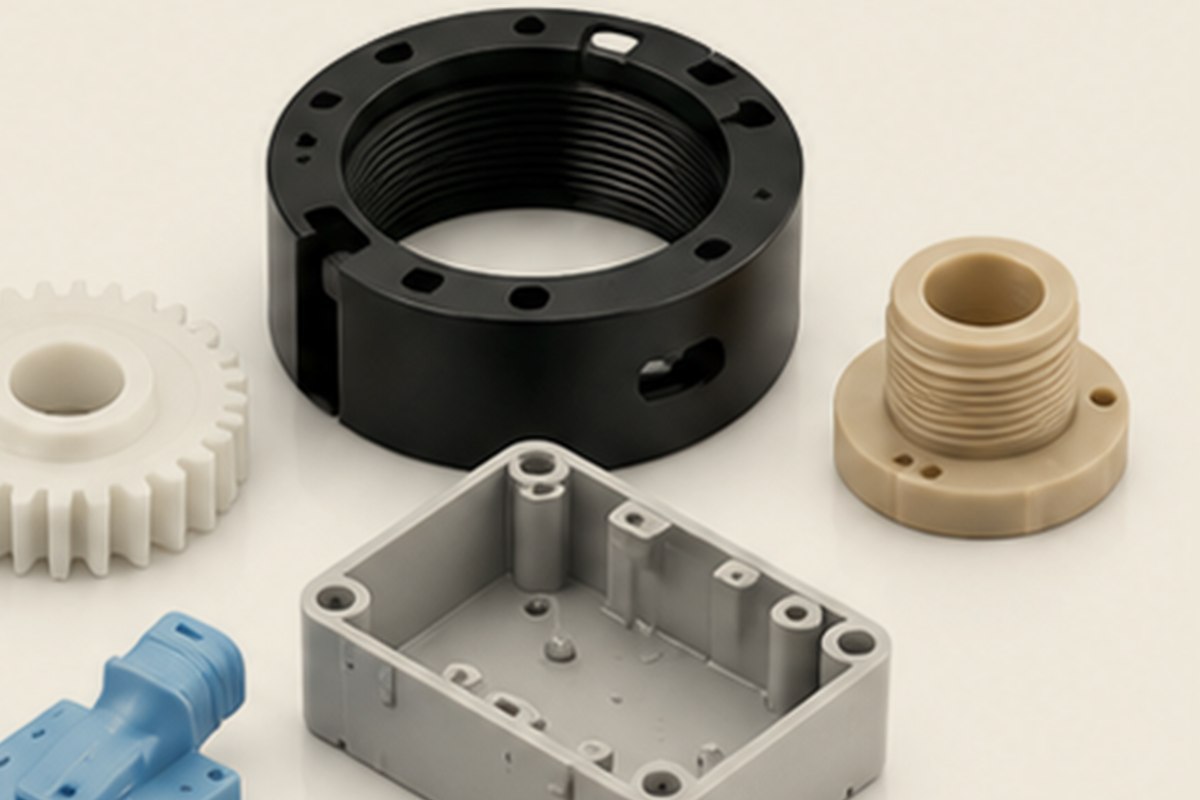 005INJECTION
Injection Molding005
Precision parts moulded to your specification on our own injection line.
See the drawing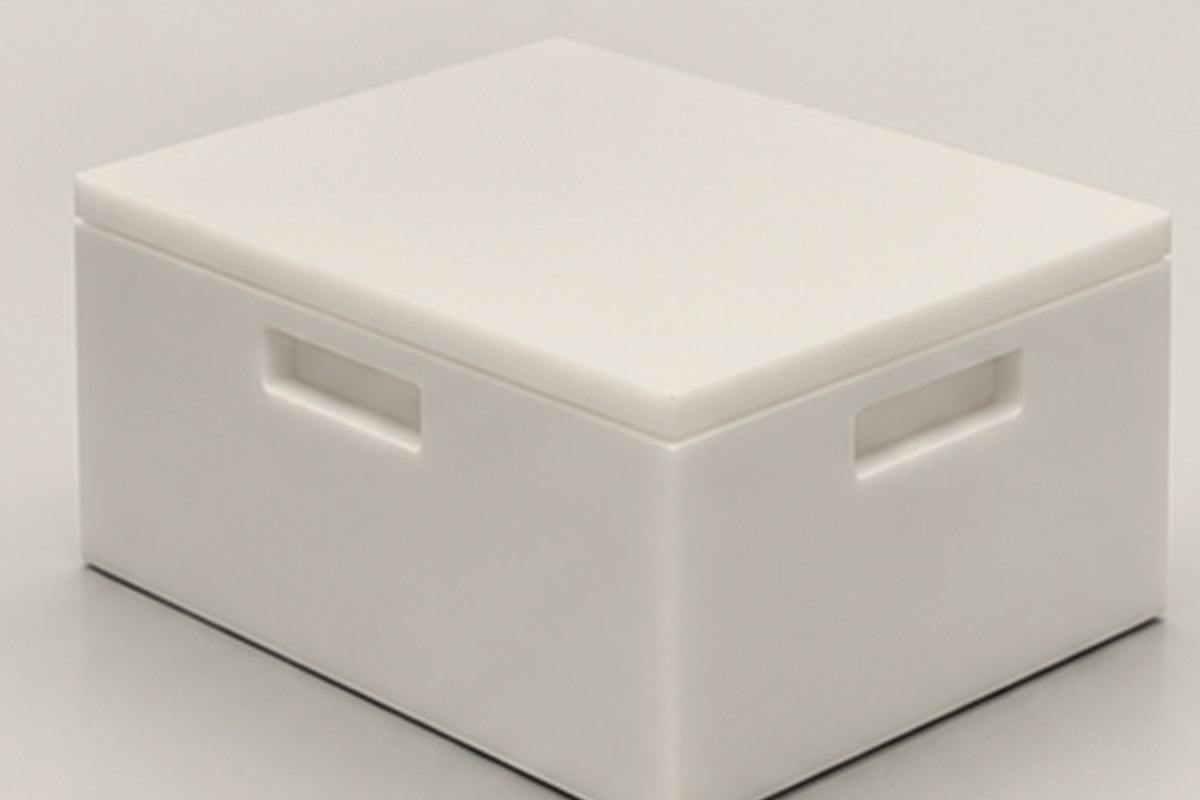 006PTFE
PTFE Products006
A fluoropolymer range built on low friction, chemical resistance and a wide service temperature. Baskets for chemical processing are the best known of them.
See the drawing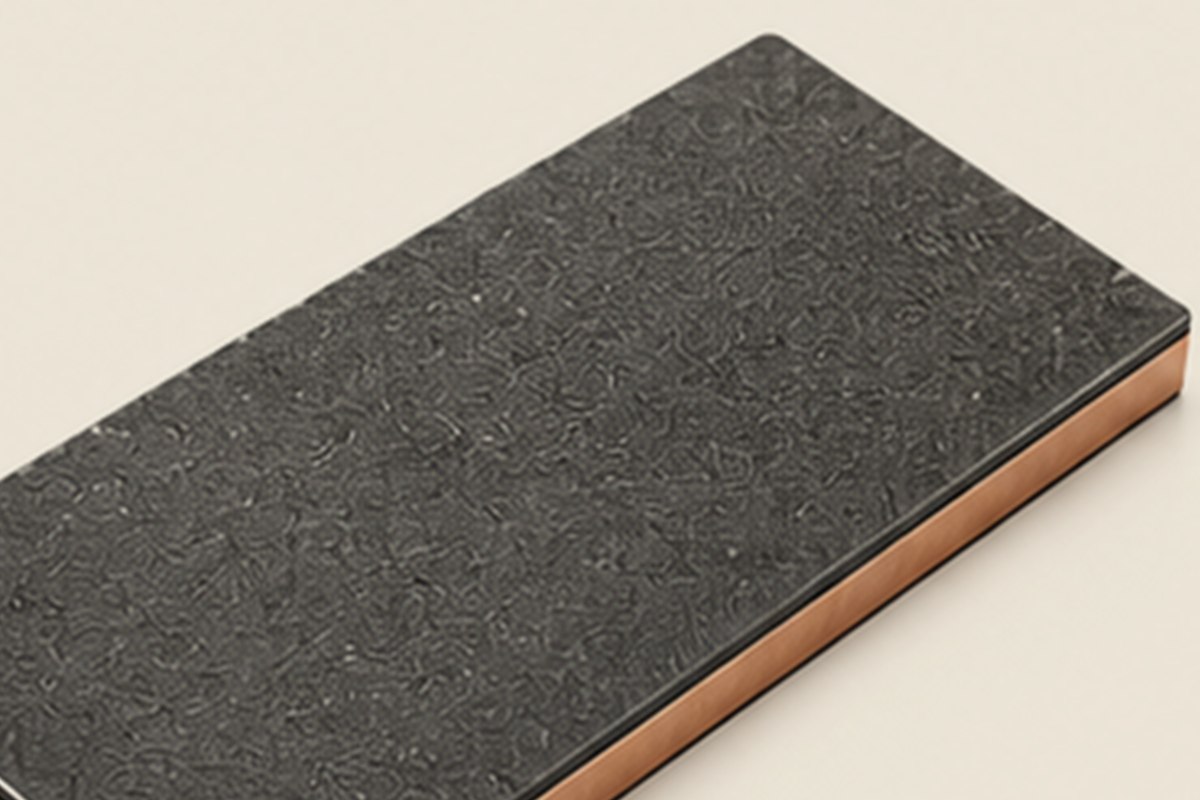 007COMPOSITE
Graphite-mixed PTFE007
Graphite added to PTFE to make up for its wear, its low thermal conductivity and its thermal expansion.
See the drawing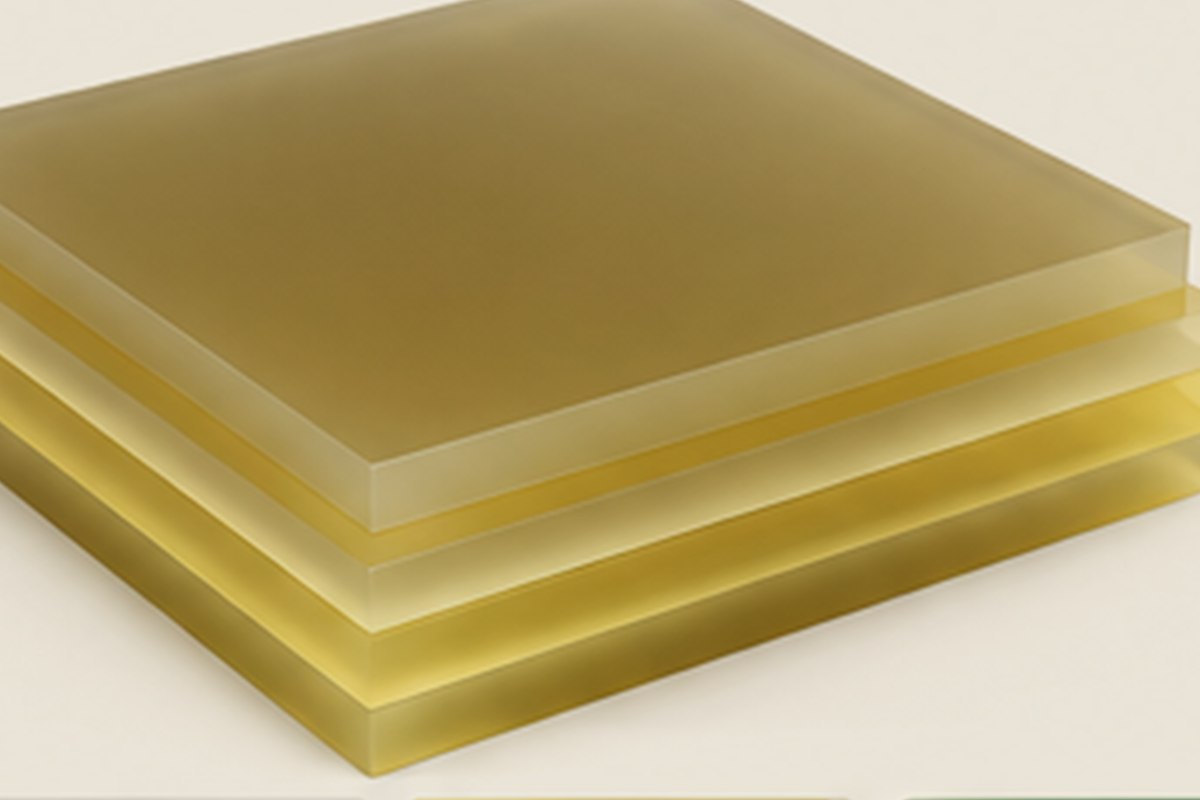 008URETHANE
Urethane Pad008
Pads and sheet in polyurethane, made to the thickness you need.
See the drawing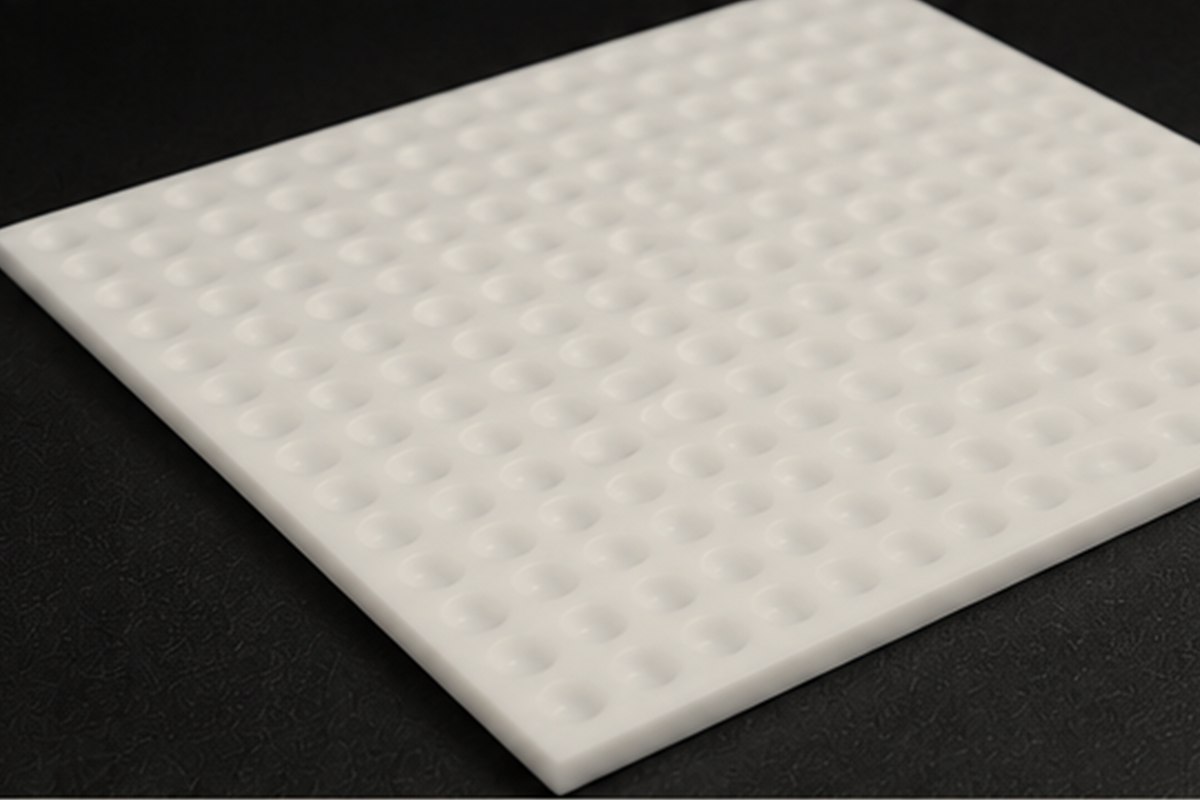 009CIVIL
Dimpled Sheet009
Sheet machined with an even dimple pattern, used at contact faces on civil and industrial sites.
See the drawing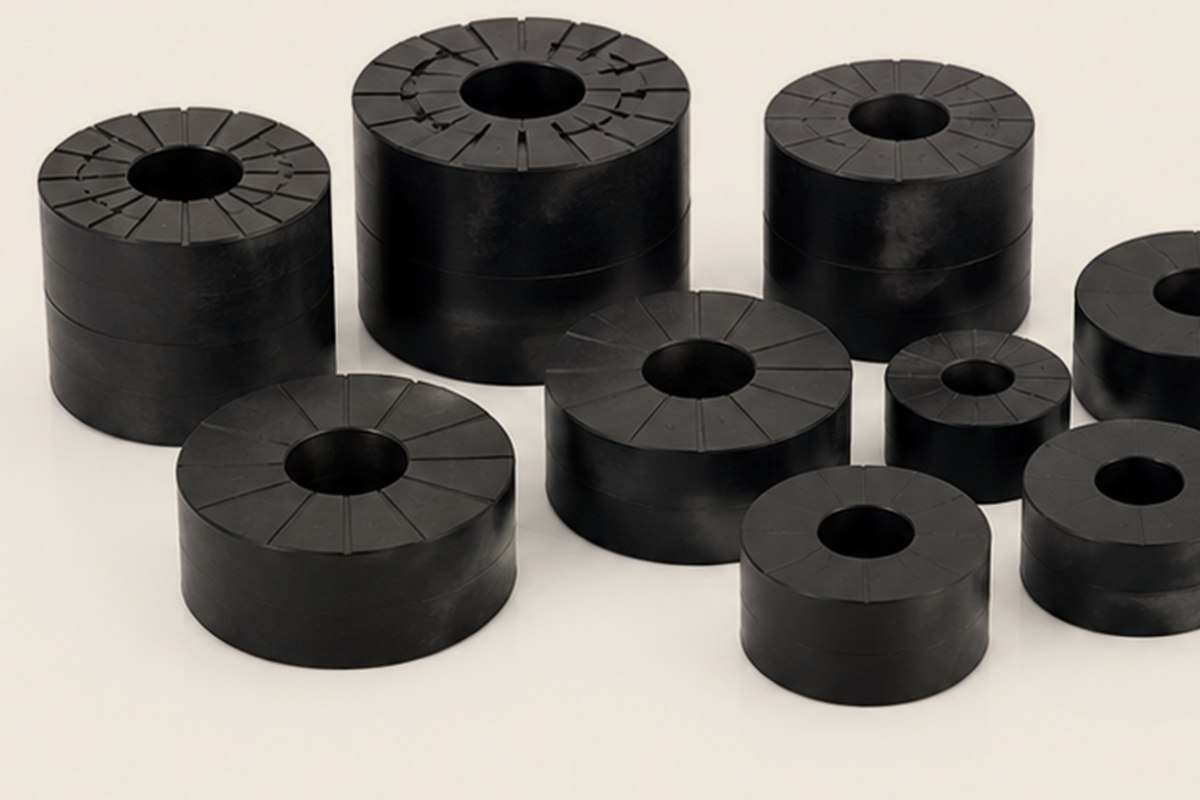 010ELASTOMER
Control Spring010
Damping springs built on industrial elastomer, with the slit shape setting how they deform.
See the drawing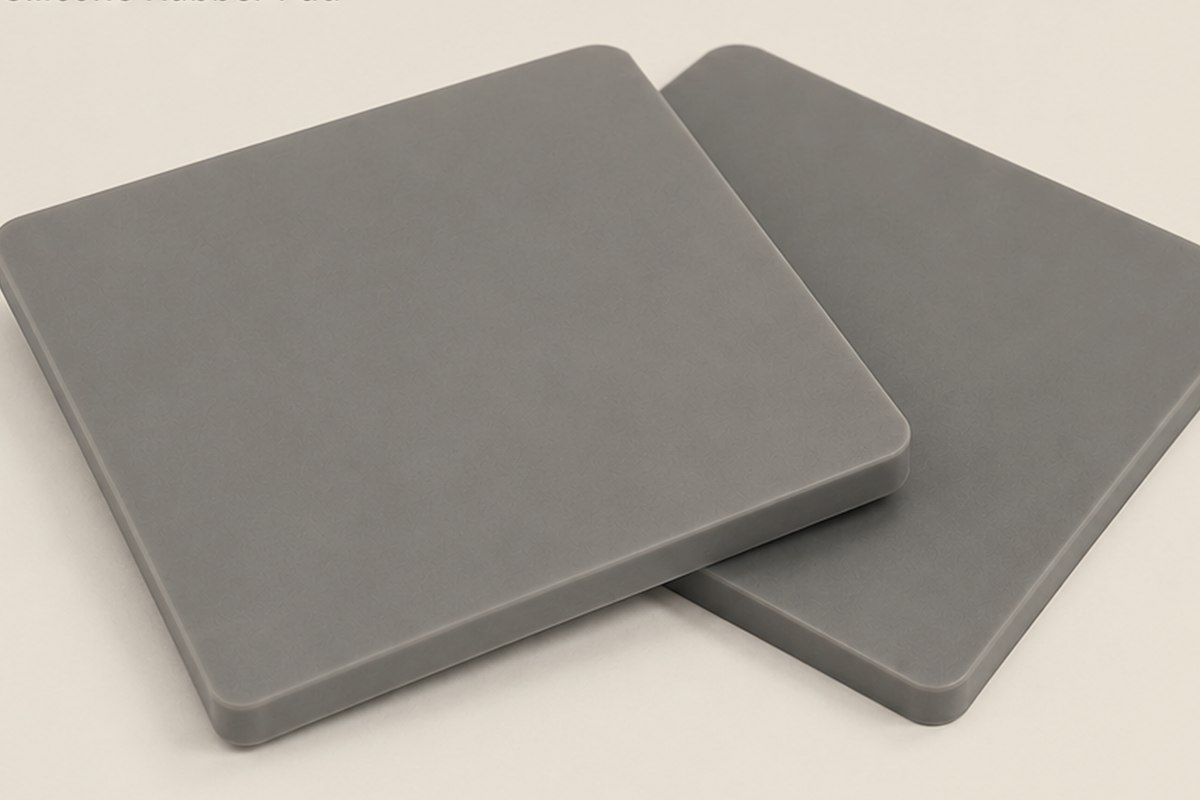 011SILICONE
Silicone Rubber Pad011
Silicone rubber pads that hold up in heat, from −55 °C to +230 °C.
See the drawing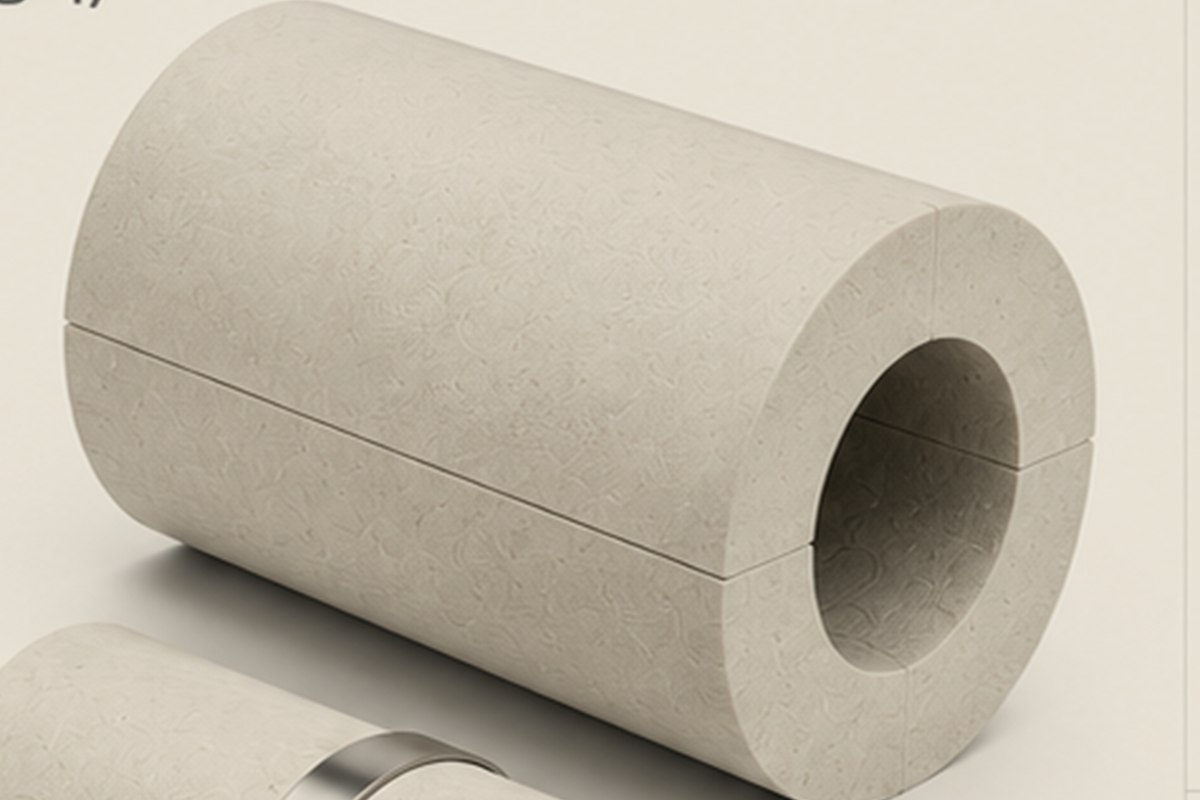 012INSULATION
Pipe Insulator012
Insulation that wraps the pipe in two halves and clamps shut on installation.
See the drawing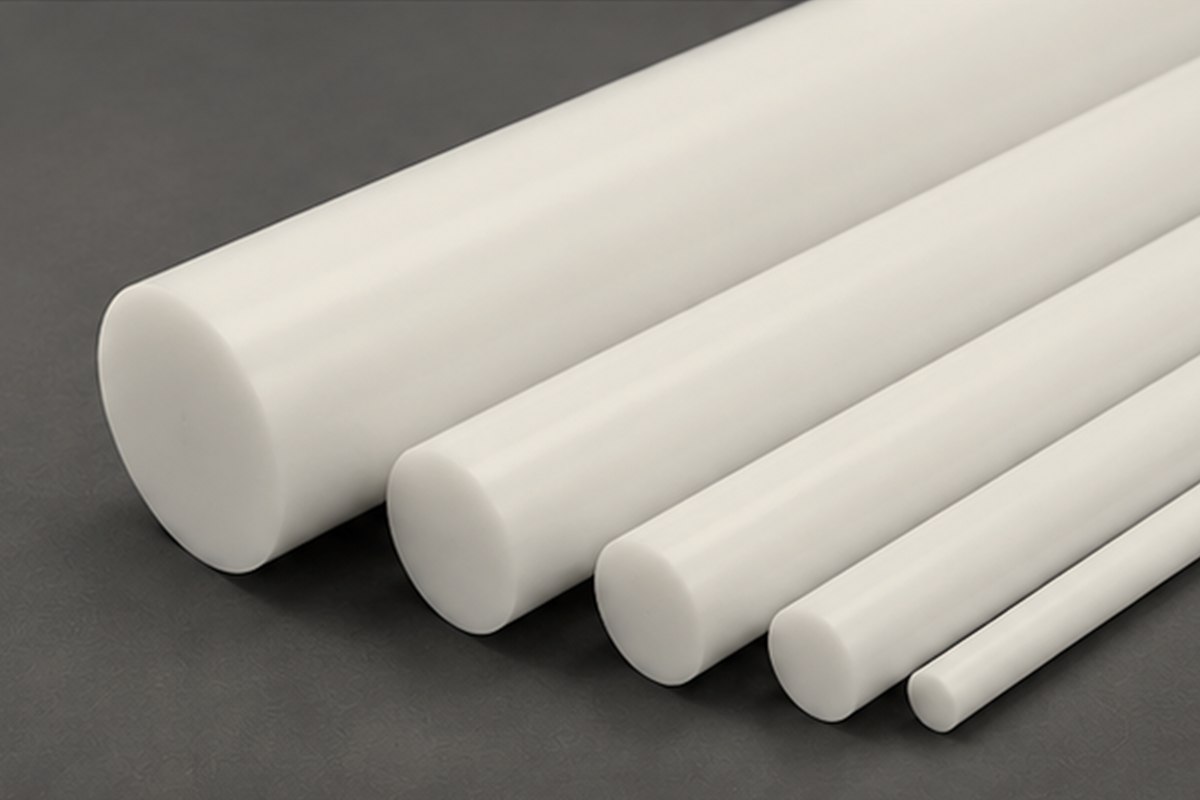 013MEDICAL · ROD
PTFE Rod013
Fluoropolymer bar stock for medical devices and precision industrial parts, made to diameter.
See the drawing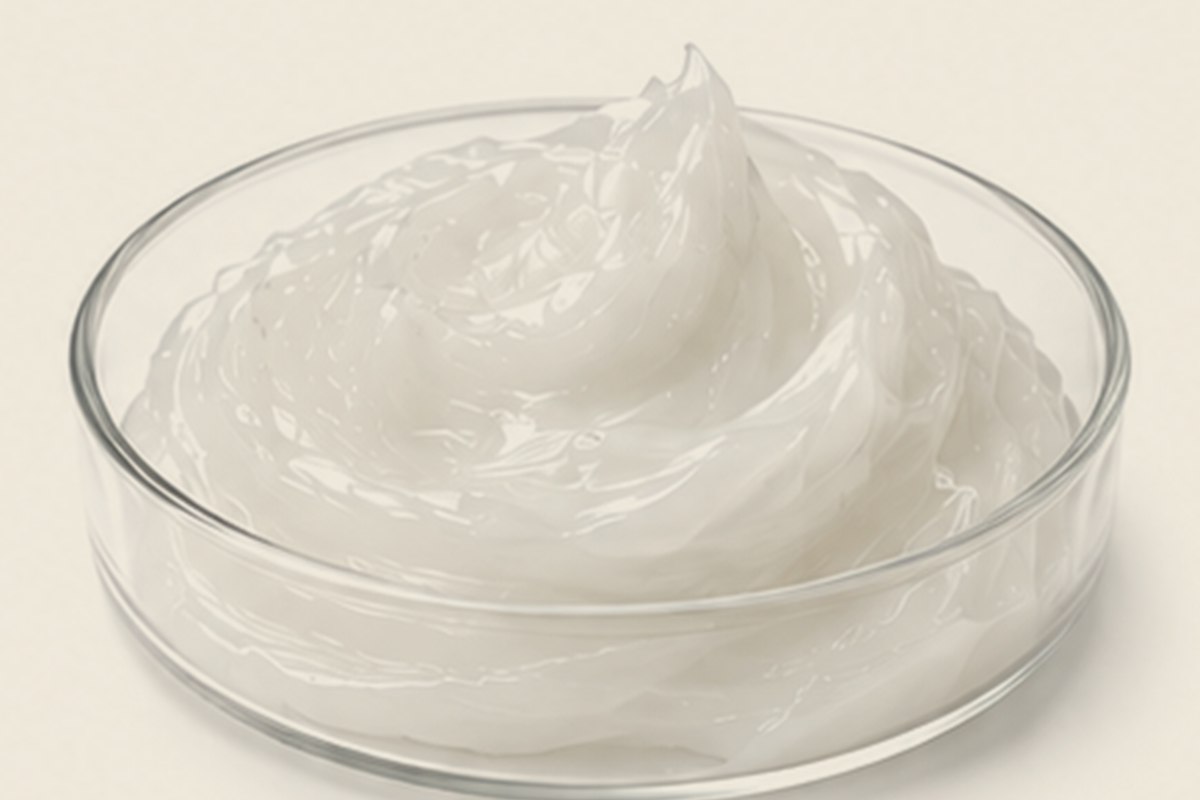 014LUBRICANT
PTFE Grease014
A special lubricating grease for industrial and medical settings that need a wide temperature band and chemical stability.
See the drawingMaterial data
Typical properties for the materials we work with. PTFE runs from −200 °C to +260 °C. The specification you are supplied against is adjusted to your operating conditions.
| Material | Friction μ | μ Scale (0 → 1.0) | Temp Range (°C) | Density (g/cm³) | Application |
|---|---|---|---|---|---|
| Virgin PTFE | 0.05 – 0.10 | −200 / +260 | 2.15 – 2.20 | Seals · rod · sliding parts | |
| Graphite + PTFE | 0.08 – 0.15 | −200 / +260 | 2.10 – 2.25 | Heavy-load sliding plates | |
| Silicone Rubber | 0.4 – 0.8 | −55 / +230 | 1.10 – 1.20 | High-temperature seals and pads | |
| EPDM / NBR | 0.4 – 0.9 | −40 / +120 | 1.05 – 1.30 | Gaskets · anti-vibration mounts | |
| Urethane Rubber | 0.5 – 0.9 | −30 / +80 | 1.10 – 1.25 | Impact pads and sheet |
Company history
We started in 1982 machining fluoropolymers. Through a factory move and incorporation, the materials we work with have not changed.
-
1982
Established
Dongwoo Fluontech Industrial founded. PTFE machining begins.
-
1988
Expansion
Moved to a new factory and increased capacity.
-
1999
Rebrand
Renamed Dongwoo Fluontech.
-
2005
SQ Certified
SQ certification obtained, qualifying us as a supplier to the automotive and heavy industry sectors.
-
2009
Incorporated
Incorporated, and started again as Dongwoo Fluontech Co., Ltd.
Certification and figures
Only what the paperwork confirms is listed here. We hold SQ and ISO 9001 certification.
Founded 1 September 1982. Incorporated in 2009.
Fluoropolymers, rubber, injection moulding and special materials.
Maximum continuous service temperature for PTFE. It holds down to −200 °C at the cold end.
SQ was obtained in 2005; it is the standard for supplying the automotive and heavy industry sectors. We also hold ISO 9001.
Make an inquiry
Send the drawing if you have one. If you do not, the load, the service temperature and what it runs against are enough. We will look at it and come back to you.
- Tel
- 032-568-0692
- Fax
- 032-565-3281
- dw.ask@dwfptech.com
- Web
- dwfptech.com
- Address
- 514-8 Wondang-daero, Geomdan-gu, Incheon, Republic of Korea